

If you are torn between fuzz and distortion, it is usually not about more gain, but about character. Choosing fuzz or distortion means choosing how a note responds under your fingers, how chords hold up, and how your guitar behaves in a band mix.
You don’t just hear that difference—you feel it immediately, too. For many guitarists, the search starts off on the wrong foot. They mainly compare how much distortion a pedal produces, whereas the real question is what you want to do with that distortion. If you want a ragged, almost explosive sound that colors the signal completely, you quickly end up with fuzz. If you are looking for a tighter attack, more focus, and a distortion that is easier to use in multiple styles, then distortion is more often the obvious choice.
Choosing fuzz or distortion starts with the character.
Fuzz is usually the more pronounced of the two. The effect often compresses heavily, rounds off the signal, and can range from woolly and vintage to aggressive and sputtering. A good fuzz makes it bigger, dirtier, and more headstrong. That is precisely the attraction, but also the immediate limitation. Not every fuzz works well with every amplifier, pickup, or playing style.
Distortion is generally more controlled. You get sustain, saturation, and power, but with more definition in the attack. Power chords often remain clearer, single-note riffs cut through the mix more easily, and the result remains more predictable even at higher gain. For players who switch quickly between rhythm, lead, and different genres, that is a significant advantage.
That does not automatically make distortion better or more modern. There are distortions that burst open almost fuzz-like, and fuzzes that are surprisingly tight. Nevertheless, the main rule remains simple: fuzz is often more extreme in texture, while distortion is more usable for broad everyday use.
When fuzz is the right choice
Fuzz works great when your sound needs to put its own stamp on things. Think of pronounced lead parts, garage, stoner, psych, vintage rock, or alternative sounds where the pedal itself plays an audible role. A fuzz can make a clean amp feel like it’s about to explode. Many guitarists find that inspiring, especially if you work a lot with volume and dynamics.

However, it is an effect type with more dependencies. Some fuzz pedals react very strongly to the impedance of your guitar and therefore prefer to be placed early in the chain. If you put a buffer in front of it, the character can change significantly. The result can also be very different with humbuckers versus single coils. With humbuckers, you get mass and compression faster, while single coils can retain more sharpness and openness.
If you play a lot of complex chords or tight modern rhythms, fuzz can be less practical. The low end can become big, the overtones can compress the signal, and in a full mix you sometimes lose definition. That is not a fault of the pedal, but it is something to honestly take into account when playing live with a second guitar, keyboards, and a busy drummer.
When distortion is more logic
Distortion is often a better fit if you are looking for a solid, clear foundation for rock, punk, hard rock, metal, or modern alternative styles. You get more focus in the mid-range, more control on palm mutes, and usually a more direct feel under the strum. For riffing, that is often exactly what is needed.
On a practical level, distortion is usually easier as well. The effect behaves predictably with various amps and pedalboards, is easier to combine with overdrive or boost, and requires less fine-tuning to work well live. Especially if you are looking for a single pedal that can handle multiple tasks, distortion is often the safer purchase.

That doesn’t mean every distortion pedal does the same thing. One sounds open and amp-like, the other compressed and modern. Some models have a lot of gain but very little body. Others remain thick enough for solid rhythm parts even at lower gain. That is why looking only at the gain knob is rarely smart. EQ, mids, low-end response, and attack are at least as decisive.
Choosing fuzz or distortion based on your amplifier
Your amplifier decides more than you might think. If you play through a fairly clean amp with plenty of headroom, fuzz will often already reveal its raw character. On an amplifier that is already starting to break up, this can become even wilder—sometimes beautiful, sometimes too much of a good thing. In such a situation, distortion often remains just a bit tighter and more controllable.
If you use a bright, Fender-style clean base, fuzz can sound wonderfully broad and open, especially for vintage and psychedelic sounds. On a British, mid-forward amp, distortion can actually fall into place more easily for heavy riffs. If you already have a lot of gain from your amp itself, the question is whether you still need a full gain pedal, or rather a boost or mid-push to steer your existing sound.
For home use, something else counts: volume. Some fuzzes only really come to life when the amp is turned up a bit louder. Distortion is often easier to judge at lower volumes. Anyone who plays frequently in the rehearsal room or studio at moderate volume will notice that difference quickly.
Your guitar and pickups make the difference.
With single coils, distortion often remains beautifully defined, while fuzz can become nice and sharp and gritty. With humbuckers, you get a thick wall of sound faster, but there is also a greater chance of the low end clipping. Especially when downtuning or using heavier strings, you need to ensure that the pedal not only sounds big when playing a solo but also remains usable in the mix.

If you play around a lot with your guitar’s volume knob, fuzz is particularly interesting. Good fuzz pedals often clean up surprisingly nicely when you turn them down. This allows you to go from almost clean to full saturation without switching. Distortion also responds to dynamics, but usually less dramatically.
Anyone who uses multiple guitars would do well to take this into account when making their choice. A pedal that sounds fantastic with a Strat does not automatically work with a Les Paul or baritone guitar. Especially if you are looking for a single pedal for various setups, it pays to choose a model with usable tone controls and sufficient control over the low end and presence.
How to make the right choice faster
If you mainly play riffs and want every strum to remain clear, distortion is usually a good choice. If you want the pedal itself to become part of your identity, fuzz is often more interesting. If you are still unsure, don’t just listen to demos with leads. Instead, pay attention to open chords, lower strings, and how the pedal responds when the guitarist plays softer.
A second practical test is context. If you play alone at home, a massive fuzz can be very addictive. If you play in a band, a more focused distortion sometimes proves to be the better choice because it takes up less space and carries through better. What sounds impressive solo does not always work best live.
Also consider placement on your pedalboard. Fuzz sometimes requires a specific spot in the chain and is more sensitive to what happens before and after it. Distortion is usually more forgiving. If your board is already complex with buffers, switchers, and multiple gain stages, that can influence your choice.
Distortion pedals below 100 euros
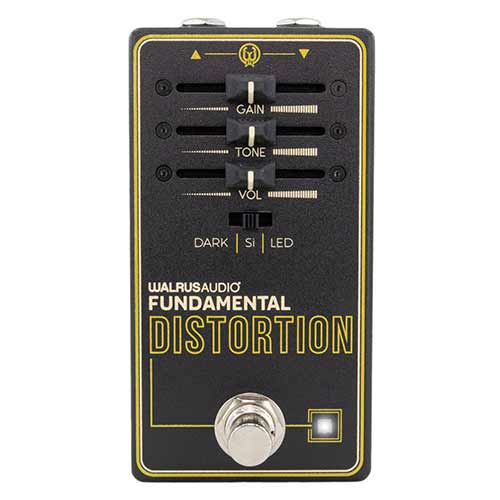
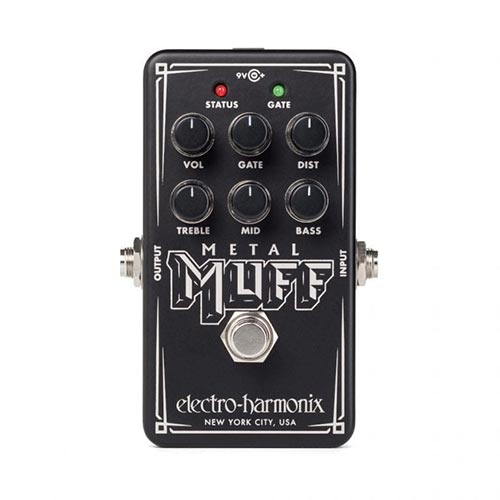
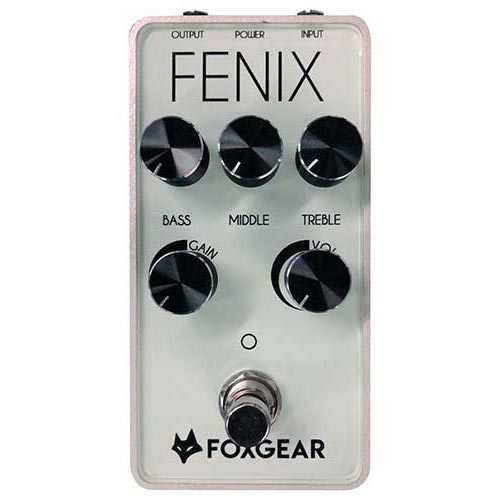
Distortion pedals between 100 and 200 euros
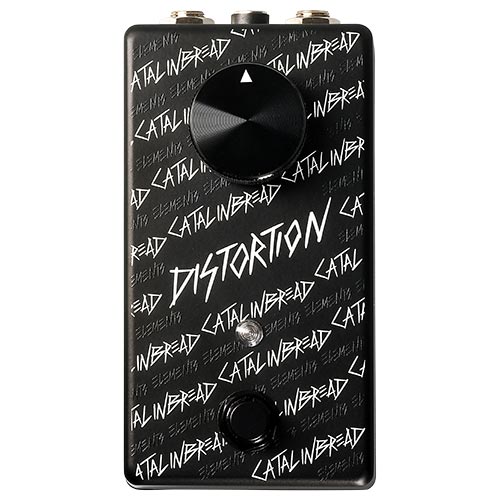


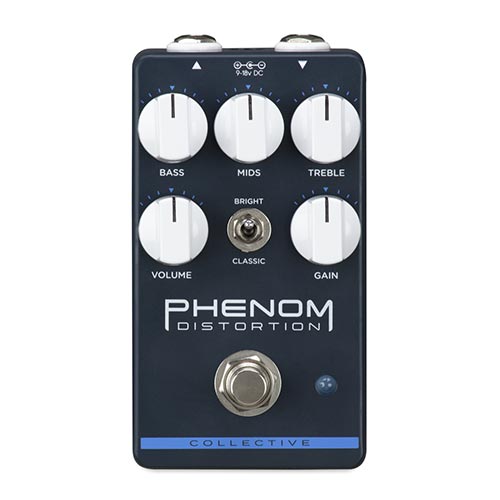
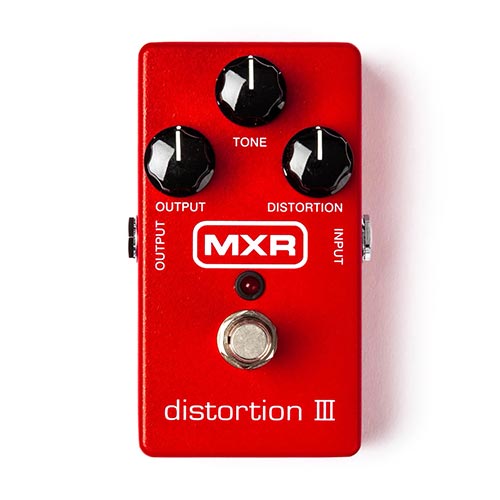
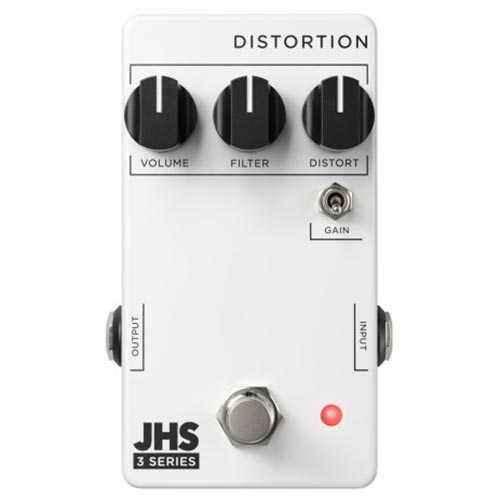
Distortion pedals starting from 200 euros
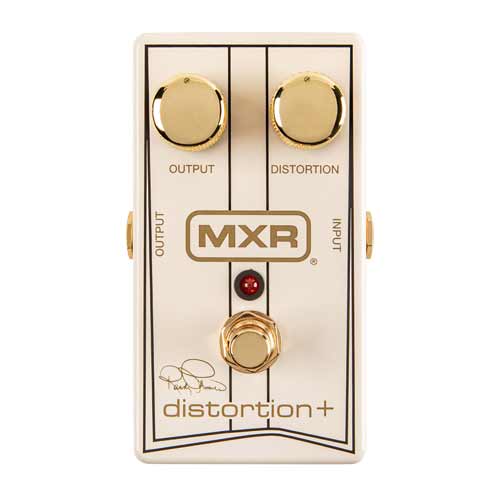

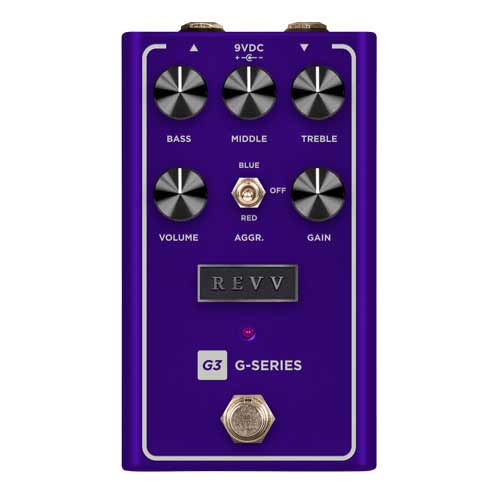
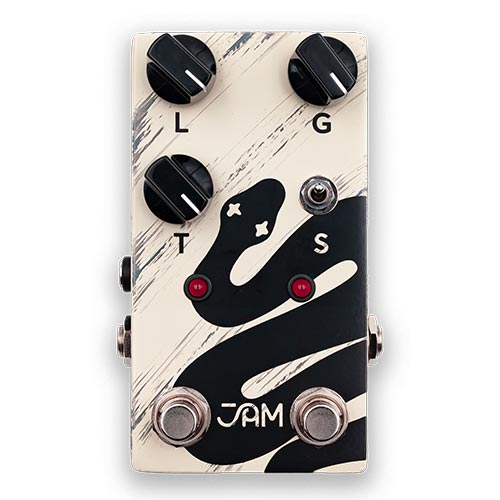


Is your favorite pedal not listed? You can find more distortion pedals here.
Choosing fuzz or distortion without making a bad purchase
You avoid a bad purchase by thinking less in terms of genre and more in terms of function. Not: I play rock, so I need distortion. Rather: I am looking for tight rhythms with enough sustain and little hassle in the mix. Or conversely: I want solos to fray, respond to my volume knob, and feel distinctly different from a standard drive. Then the choice becomes much clearer.
Also look at control options. A simple fuzz with few knobs can sound great, but also be less forgiving. A distortion with active EQ or extra mid circuit often gives more room to play in different rigs. For many guitarists, this is not a detail, but precisely the difference between a pedal that is fun every now and then and a pedal that remains firmly on the board.
Therefore, there is no universally correct outcome. Fuzz wins on personality, chaos, and interaction. Distortion often wins on focus, control, and all-around performance. The best choice is the one that makes your amplifier, guitar, and roll work better—not the one with the most gain or the loudest demo. If a pedal lets you play harder, tone down, and immediately places you better in the mix, you’re on the right track.
Fuzz pedals below 100 euros
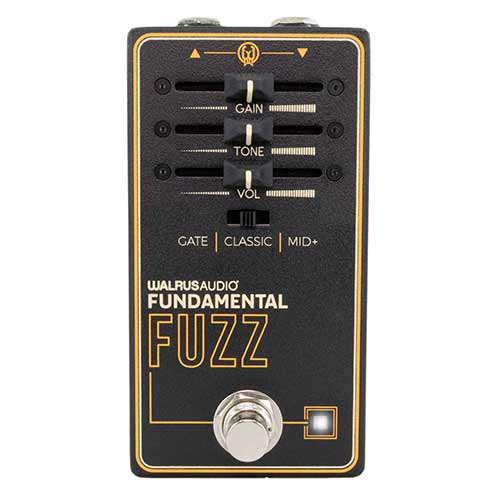


Fuzz pedals between 100 and 200 euros


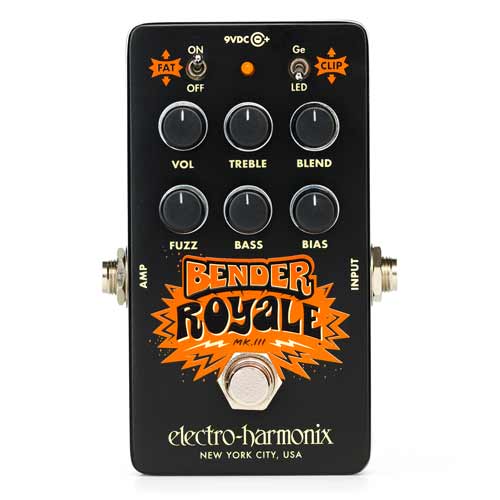
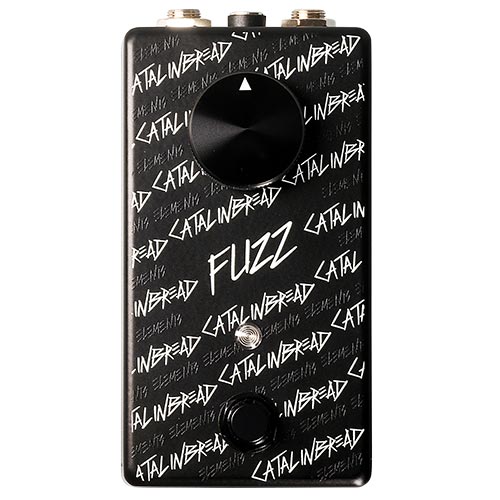
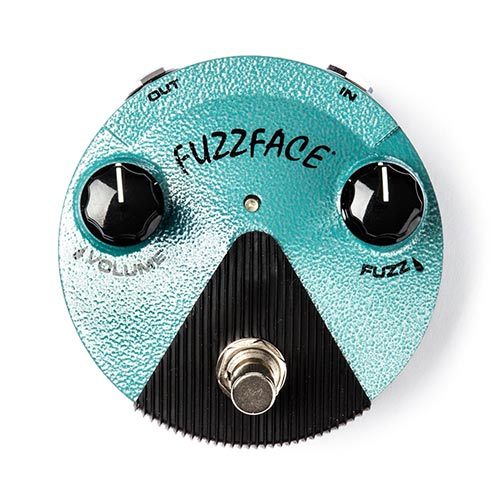

Fuzz pedals from 200 euros


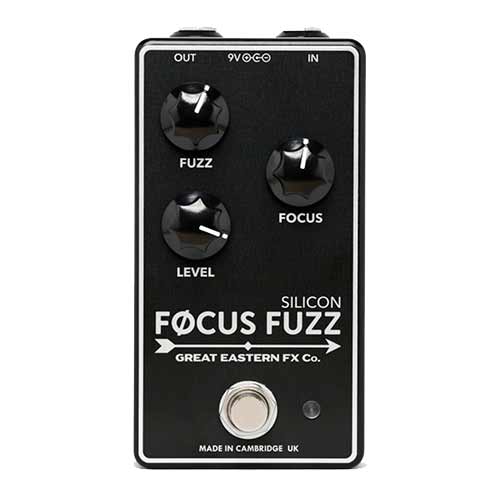
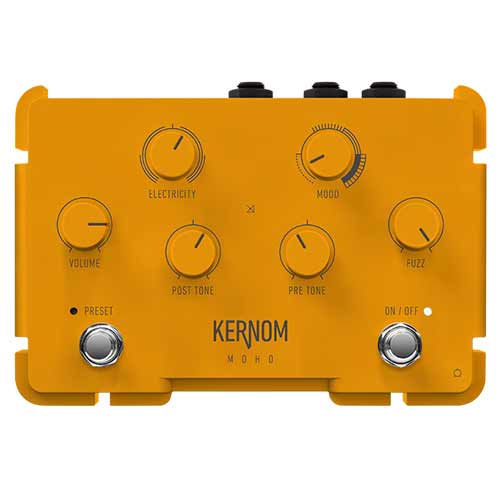


Is your favorite pedal not listed? You can find more fuzz pedals here.

Leon Keemer is a guitarist, gear nerd, and regular writer for Pedaltown.nl. With a passion for anything that can shape, bend, or improve your sound, he regularly tests new effect pedals—from boutique fuzzes to modern multi-FX. Leon is known for his clear explanations and honest reviews that help both beginners and seasoned guitarists. When he isn’t behind his pedalboard, he experiments in the studio or hunts for obscure effects that make musicmaking just a little bit more exciting.